


Japan is set to make a major shift in its approach to cryptocurrency regulation. The country's Financial Services Agency (FSA) has proposed reclassifying crypto assets, a move that could pave the way for exchange-traded funds (ETFs) and significantly lower taxes for investors. This proposal signals Japan's intention to embrace digital assets more fully while updating outdated legal frameworks.
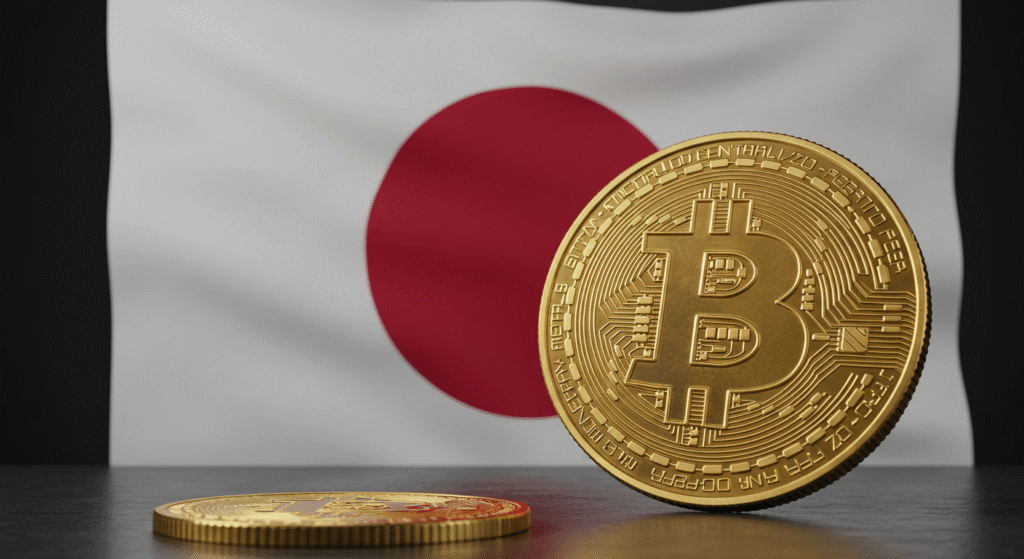
Currently, crypto is regulated under Japan's Payment Services Act, which classifies it as a method of payment. However, the financial world has evolved, and crypto is now widely used as an investment tool rather than just a transactional medium. The proposed change will bring crypto under the Financial Instruments and Exchange Act, placing it in the same category as traditional investment products like stocks and bonds.
This reclassification would also introduce measures such as insider trading rules and stricter regulatory oversight to ensure market integrity and investor protection.
Major Tax Relief for Crypto Investors
One of the most anticipated outcomes of this proposal is a significant reduction in taxes on crypto gains. Currently, profits from crypto are taxed as miscellaneous income, with rates climbing as high as 55%. The reclassification would allow these gains to be taxed under capital gains rules, bringing the rate down to a flat 20%.
This change is expected to encourage more retail and institutional investors to enter the market, knowing they will face a fairer and more competitive tax regime. It could also help reduce the trend of Japanese crypto users moving assets offshore to avoid high taxation.
ETFs Could Soon Enter the Market
By recognizing crypto as a financial asset, Japan will also open the door for crypto-based ETFs. These funds, which allow investors to gain exposure to digital assets without directly holding them, are already popular in markets like the U.S. and Canada. Japan has banned such products so far, but the new classification would change that.
Crypto ETFs could become a game-changer in Japan, giving average investors a safer and more accessible way to invest in assets like Bitcoin or Ethereum through regulated platforms.
A Balanced Approach to Innovation
Japan's updated approach reflects a careful balance between promoting innovation and ensuring security. The country has a history of cautious regulation following major crypto exchange hacks. However, this move shows a willingness to evolve while still protecting investors through stronger compliance requirements.
Rules on insider trading, anti-money laundering (AML), and transparent reporting are expected to come into effect as part of the broader update.
Outlook
The FSA's proposal is currently under review, with draft legislation expected by mid-2025. If all goes as planned, the changes could be officially implemented in 2026. With growing political and public support, Japan could soon become one of the most crypto-friendly advanced economies.
This bold step could establish Japan as a leader in digital finance, attracting global interest and investment in its growing crypto ecosystem.