


After months of legislative debate, the United States is set to officially regulate stablecoins. Following a decisive vote in the House of Representatives on Thursday, the stablecoin bill will be signed into law by President Donald Trump in a special ceremony scheduled for Friday evening at the White House.
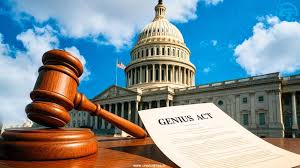
The new legislation, known as the Stablecoin Regulation Act, introduces the first nationwide regulatory framework for stablecoins. Under the new law, stablecoin issuers must maintain full reserves, ensure monthly reporting, and undergo regular audits to enhance transparency and consumer safety.
Highlighting the importance of this event, several leading figures from the cryptocurrency industry have been invited to witness the signing. Executives from major blockchain firms, including Circle, Ripple, Chainlink Labs, and Anchorage Digital, will be present at the ceremony. These industry leaders have played a significant role in shaping the bill through consultations and lobbying efforts, viewing its passage as a pivotal moment for crypto adoption in the United States.
The law is seen as a potential game-changer for the sector. With regulatory clarity now in place, analysts expect traditional financial institutions, fintech companies, and large retailers to begin integrating stablecoin payments into their services. This could accelerate the use of digital dollars for everyday transactions, online commerce, and cross-border payments. Some forecasts suggest the stablecoin market could reach trillions of dollars in circulation over the coming years as businesses and consumers seek faster, cheaper alternatives to conventional banking methods.
For the crypto industry, the legislation represents both a victory and a responsibility. Leading executives have welcomed the new framework as a long-awaited step towards building public trust and institutional adoption. Many believe it lays the foundation for innovations such as tokenized real-world assets and on-chain financial services, opening doors to a new phase of blockchain-powered commerce.
However, not everyone is celebrating. Critics warn that the law may not go far enough to protect consumers and prevent misuse. Some consumer rights groups and political figures argue that more stringent anti-money laundering checks and clearer definitions are needed to avoid loopholes. Concerns have also been raised about the potential for large tech companies to enter the stablecoin market unchecked, which could lead to risks of market monopolies or shadow banking.
Despite the mixed reactions, Friday’s signing ceremony is expected to be a symbolic moment for the digital currency space, marking the end of years of uncertainty around stablecoin regulation in the U.S. As the law comes into effect in the months ahead, all eyes will be on how the Treasury Department and other regulators implement its provisions and how the crypto industry responds.
For now, the attendance of crypto’s top executives at the signing underscores the significance of this turning point. After years of navigating regulatory gray zones, the U.S. stablecoin sector is finally stepping into a new era of legitimacy and growth.