

Meme Coins: Hype or Hidden Opportunity?

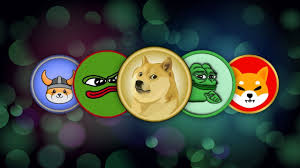
When Dogecoin first emerged in 2013, it was seen as a joke, a lighthearted take on the booming Bitcoin craze, built around a Shiba Inu meme. No one expected it to become a cultural phenomenon or spark an entire generation of meme-based cryptocurrencies.
Yet, nearly a decade later, meme coins have become a defining feature of the crypto landscape.
From Dogecoin to Shiba Inu, Pepe, and countless others, these tokens have inspired massive online movements, unpredictable rallies, and just as many spectacular crashes. Some investors dismiss them as pure hype, the digital equivalent of lottery tickets, while others see them as the next frontier in community-driven finance.
So, are meme coins just a fad, or could they represent a deeper, hidden opportunity in the crypto ecosystem?
The Rise of Meme Coins
Meme coins are cryptocurrencies inspired by internet culture. Unlike traditional crypto projects that aim to solve technical or financial problems, meme coins thrive on humor, relatability, and community engagement.
Dogecoin was the pioneer. It was created as satire, and it combined two of the internet’s favorite things: dogs and jokes. But the joke took on a life of its own when billionaire Elon Musk began tweeting about it, propelling Dogecoin’s price from fractions of a cent to record highs.
This opened the floodgates. Shiba Inu followed in 2020, branding itself as the Dogecoin killer, and its meteoric rise made overnight millionaires out of early adopters. Soon after, dozens of meme tokens flooded the market, some riding genuine community enthusiasm, others created solely to capitalize on the hype.
How Meme Coins Work
Most meme coins are built on established blockchains like Ethereum, BNB Chain, or Solana. Technically, they function like standard tokens, governed by smart contracts that define their total supply, trading rules, and sometimes additional features such as burning mechanisms or reward distributions.
But unlike Bitcoin or Ethereum, whose values are driven by utility, security, and network adoption, meme coins derive their power from social sentiment. Their growth depends less on what the technology does and more on how people feel about it and how well it spreads online.
Memes, tweets, and viral videos can push prices up or down in minutes. A single influencer post or trending hashtag can move billions in market value. In short, meme coins are fueled by culture rather than code.
The Power of Community
Every successful meme coin has one thing in common, a passionate, hyperactive community. These groups act as marketers, content creators, and evangelists all rolled into one. They make memes, launch campaigns, and flood social media with excitement.
For many investors, the appeal of meme coins isn’t just potential profit; it’s belonging. Communities like Dogecoin’s Doge Army or Shiba Inu’s ShibArmy see themselves as movements rather than mere investors. They organize fundraisers, collaborate on NFTs, and sometimes even drive charitable causes.
In this sense, meme coins tap into something powerful: the human desire to connect and share in a collective dream, even if that dream is to “go to the moon.”
Tokenomics: Scarcity and Speculation
Behind the jokes and memes lies a serious financial layer, tokenomics.
Meme coins often use huge token supplies (in the trillions or quadrillions) to make them appear cheap, even though market capitalization determines real value. For example, owning a million tokens priced at $0.0001 feels exciting, even if the total value is just $100. That psychological trick fuels buying pressure.
Some projects introduce burn mechanisms, where a portion of tokens is permanently destroyed to create scarcity over time. Others distribute rewards to holders, or “reflect” transaction fees back into the community.
However, these mechanics can also mask manipulation. Projects where founders hold large percentages of supply or liquidity that is not locked are prone to rug pulls, where developers drain funds and disappear. The illusion of community-driven success can quickly unravel when insiders sell.
Do Meme Coins Have Real Utility?
Critics often claim meme coins have no use case. In most cases, they’re right — at least initially. The majority start as pure entertainment, offering no real function beyond trading.
Yet, some are evolving. Dogecoin is now accepted by select merchants and integrated into payment systems like BitPay. Shiba Inu has launched a metaverse project, a decentralized exchange (ShibaSwap), and an ecosystem of tokens for staking and governance.
In these cases, meme coins are transitioning from humor to utility-backed ecosystems. The line between joke and innovation is becoming blurry. When a meme token gathers enough attention and resources, it can pivot into real-world applications, a phenomenon that traditional finance often underestimates.
The Hype Machine
To understand meme coins, you have to understand how online hype works.
A meme coin’s life cycle typically follows a pattern:
1. Launch: Developers release the token, often with a catchy name and a viral backstory.
2. Community ignition: Early holders push it on Twitter, Reddit, or Telegram, attracting attention.
3. Influencer effect: A big name or celebrity mentions it, causing explosive growth.
4. Exchange listing: Being added to a major platform like Binance or Coinbase amplifies legitimacy.
5. Price peak and decline: FOMO (Fear of Missing Out) drives retail investors in, until momentum fades.
This hype loop can send prices soaring, but just as often, they collapse when attention shifts elsewhere. In many cases, the timing of your entry determines whether you make a profit or become part of the cautionary tales.
The Hidden Risks
Meme coins are not for the faint-hearted. They are the most volatile assets in an already volatile market. A token can gain 500% in a week and lose it all the next.
Some of the biggest risks include:
• No intrinsic value: Many meme coins lack tangible utility or revenue sources.
• Rug pulls and scams: Unscrupulous developers can drain liquidity pools or manipulate prices.
• Market manipulation: Coordinated “pump and dump” schemes are common.
• Extreme volatility: Prices react violently to social sentiment and external hype.
• Regulatory concerns: Many meme coins could be classified as unregistered securities in some jurisdictions.
Spotting Real Opportunity
Despite the chaos, not all meme coins are doomed. Some evolve into legitimate community-driven ecosystems. To identify potential opportunities, consider these factors:
1. Community strength: Look for authentic engagement rather than spam or bots. A vibrant, creative community is a good sign.
2. Transparent developers: Projects with visible teams, published audits, and clear communication are safer bets.
3. Fair token distribution: Avoid tokens where insiders control the majority of supply.
4. Liquidity lock: Verify if liquidity is locked or controlled by a smart contract to prevent rug pulls.
5. Future plans: Is there a roadmap for utility, partnerships, or governance?
6. Exchange presence: Reputable listings improve liquidity and trust.
Ultimately, successful meme coins balance entertainment with incremental innovation. They capture attention and then convert it into sustainable ecosystems.
Participating Responsibly
If you decide to invest in meme coins, do it with strategy, not impulse. Treat it like speculation, not long-term investing. Here are a few ground rules:
• Invest small amounts: Only use money you can afford to lose.
• Diversify: Don’t put all your crypto capital into one meme token.
• Set exit points: Decide when to take profits and when to cut losses.
• Avoid leverage: The volatility of meme coins makes margin trading extremely risky.
• Stay informed: Monitor project updates, community channels, and token contract details.
The goal is not to avoid meme coins entirely but to navigate them intelligently.
Regulatory and Ethical Outlook
As meme coins gain mainstream attention, regulators are watching closely. Tokens that use misleading marketing or influencer-driven manipulation could face legal challenges.
Ethically, the line between viral marketing and deception is thin. Influencers who promote meme coins without disclosing incentives contribute to risky speculation. Greater transparency, accountability, and investor education are essential for this sector to mature.
Meme Coins and the Future of Internet Culture
Beyond profit and speculation, meme coins symbolize something deeper: the fusion of culture and finance. They show how collective humor, internet virality, and blockchain technology can create economic value — even if irrational at times.
In some ways, meme coins are a mirror of the internet itself: chaotic, unpredictable, and democratic. Anyone can create a token, tell a story, and rally people around it. Whether that leads to revolution or ruin depends on execution and integrity.
As Web3 evolves, meme coins might play a larger role than expected. They’re teaching developers and investors that community attention is currency, and in a world where attention equals value, that lesson could shape the next era of digital assets.
Conclusion
So, are meme coins hype or a hidden opportunity? The answer is both.
For every project that collapses, another reinvents itself as something more meaningful. For every investor burned by FOMO, there’s one who recognized the cultural undercurrent early.
Meme coins may have started as jokes, but they’ve become experiments in digital communities, storytelling, and decentralized value creation. Whether they endure or fade, their impact on crypto culture is undeniable.
Ultimately, the most innovative approach is balance: enjoy the memes, but don’t get lost in them. Study the trends, understand the risks, and treat every viral coin not as a guaranteed moonshot, but as a glimpse into how the internet keeps rewriting the rules of money.
