


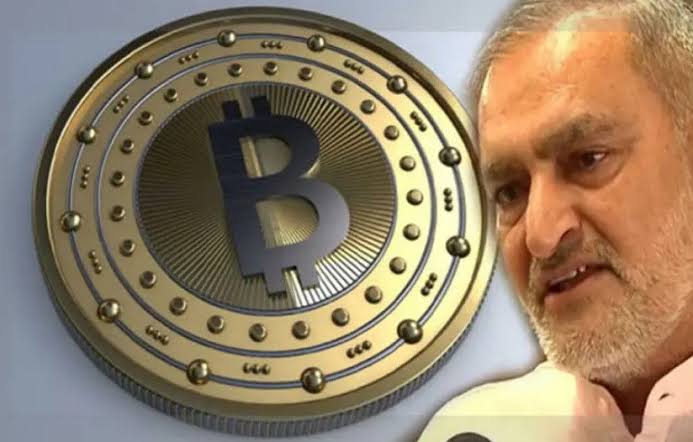
The long-running Bitcoin extortion case in Gujarat has finally closed with a sweeping verdict that both restores faith in justice and exposes the dark nexus of politics, police, and crime.
An Indian court convicted 14 individuals, including a former BJP lawmaker and senior police officers, for orchestrating a multimillion-dollar crypto scam.
Landmark Verdict Shakes Gujarat
On Friday, the Ahmedabad City Sessions Court sentenced all 14 accused to life imprisonment for their roles in the 2018 Bitcoin extortion case. Among those convicted were former BJP MLA Nalin Kotadiya and former Amreli Superintendent of Police Jagdish Patel.
The scandal centered on the abduction of Surat-based builder and crypto trader Shailesh Bhatt, who was kidnapped, beaten, and coerced into parting with over $3.6 million in bitcoins and cash. According to Judge B.B. Jadav, the conspiracy was carefully planned and executed with the involvement of both politicians and police officers, making the Bitcoin extortion case one of India’s most shocking crypto-linked crimes.
How the Scam Worked
Bhatt and his business partner were abducted and held at a farmhouse in Amreli, where they were threatened and forced to transfer digital assets. The extortion demands spiraled from ₹12 crore to a staggering ₹32 crore, with funds routed through the Angadia network.
Evidence showed that Kotadiya personally threatened Bhatt during ransom negotiations, while police officials provided vehicles and manpower to carry out the illegal detention. The Bitcoin extortion case revealed how deeply corruption had penetrated Gujarat’s law enforcement machinery.
A Murky Backstory
Ironically, Bhatt himself was not entirely innocent. Investigators discovered that he had earlier extorted over 2,000 Bitcoins from employees of BitConnect, a notorious Ponzi scheme. Despite his questionable history, his complaint blew the lid off a racket implicating powerful figures.
This dual narrative, of a victim who was also a perpetrator, added layers of complexity to the Bitcoin extortion case. Still, the court emphasized that the abuse of power by police and politicians was unforgivable, leading to Friday’s landmark ruling.
Political Fallout and Lessons Learned
The verdict has sparked debate about the intersection of cryptocurrency, crime, and governance. While crypto advocates fear the case will further stigmatize digital assets, others see it as a crucial step toward accountability.
Legal experts note that the Bitcoin extortion case sets a precedent for prosecuting high-level corruption tied to crypto markets. The conviction demonstrates that even powerful individuals cannot evade justice when crimes involve public trust and financial systems.
Closure After Six Years
After nearly six years of investigations, courtroom battles, and witness testimonies, the Bitcoin extortion case has ended in closure for victims and clarity for India’s legal system. The ruling sends a strong message against abuse of power, but it also highlights the urgent need for better oversight in both law enforcement and crypto regulation.
At press time, Bitcoin was trading at $109,204, underscoring how much the digital asset has grown in value since the 2018 scandal, making the life sentences in the Bitcoin extortion case even more symbolic of missed fortunes, corruption, and hard justice.
