


In this article, we will look at some effective monetization strategies that creators can use in the metaverse.
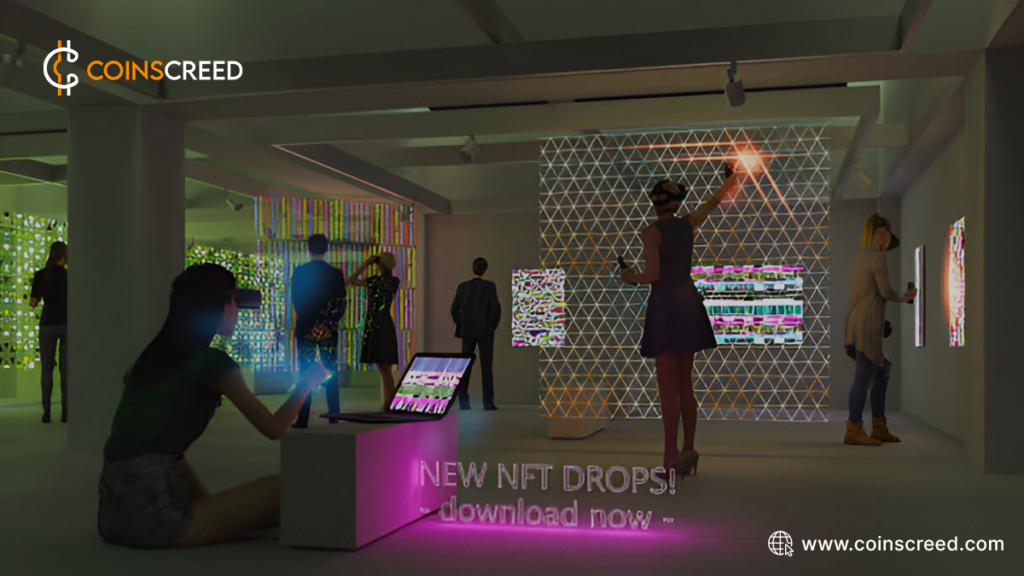
As the metaverse expands, it offers a wealth of opportunities for creators to generate income from their digital content, experiences, and services. The metaverse, an immersive and interconnected virtual world, combines elements of augmented reality (AR), virtual reality (VR), and blockchain technology to create a dynamic ecosystem where creators can build, share, and monetize their work.
Understanding the Metaverse Economy
The metaverse economy is a landscape where virtual goods, services, and experiences are traded across various platforms. Unlike traditional digital economies, the metaverse operates on decentralized networks, often powered by blockchain technology. This decentralization gives creators more control over their assets, revenue streams, and audience interactions.
Key components of the metaverse economy include:
- Virtual Real Estate: Digital land and properties where creators can build and monetize their spaces.
- Digital Goods: Virtual items such as clothing, accessories, and artwork that can be bought, sold, or traded.
- Experiences: Immersive activities, games, and events that attract users and generate income.
- Services: Offerings such as design, consultation, and development are provided to other users or businesses within the metaverse.
Monetization Strategies in the Metaverse
With the growing popularity of the metaverse, creators are presented with a wide array of monetization strategies. These strategies enable them to capitalize on their creativity, skills, and digital assets, turning virtual endeavours into profitable ventures.
Selling Digital Goods and NFTs
One of the most popular monetization strategies in the metaverse is the trade of digital goods and non-fungible tokens (NFTs). NFTs are digital resources stored on a blockchain, ensuring ownership and provenance. Creators can design and sell a wide range of digital goods, including:
- Virtual Clothing and Accessories: Custom-designed outfits, accessories, and other fashion items for avatars.
- Artwork: Digital art pieces can be displayed in virtual galleries or owned as collectibles.
- Virtual Real Estate: Land and property that users can buy, develop, and monetize.
The critical advantage of NFTs is that they allow creators to retain control of their work even after the sale, enabling them to earn royalties on secondary market transactions. Platforms like OpenSea, Rarible, and Decentraland facilitate NFTs' creation, sale, and trading, providing creators with a global marketplace to showcase and monetize their digital goods.
Offering Paid Experiences
In the metaverse, experiences are just as valuable as tangible goods. Creators can design and offer immersive experiences that users are willing to pay for. These experiences range from interactive games to virtual concerts, art exhibitions, and educational workshops.
- Gaming: Developers can create and monetize games within the metaverse, offering in-game purchases, subscriptions, or access to premium content.
- Virtual Events: Musicians, artists, and entertainers can host virtual concerts, performances, and events, charging admission fees or offering exclusive content to paying attendees.
- Education and Training: Instructors and experts can offer virtual classes, workshops, and training sessions, providing valuable knowledge and skills to users in exchange for payment.
These paid experiences can be further enhanced with NFTs, allowing users to collect unique items or memorabilia from the events they attend.
Virtual Real Estate Development and Leasing
Virtual real estate in the metaverse has become a rewarding market, with digital land and properties being bought, sold, and developed for various purposes. Creators can invest in virtual real estate and monetize it in several ways:
- Development: Building and designing virtual spaces such as homes, galleries, shops, and event venues that can be sold or rented to other users.
- Leasing: Renting out virtual land or properties to businesses, brands, or individuals who want to establish a presence in the metaverse.
- Advertising: Offering virtual advertising space within developed properties, allowing brands to reach a broader audience in the metaverse.
The value of virtual real estate is often determined by its location, foot traffic, and the quality of the surrounding environment, making it a valuable asset for creators who can maximize its potential.
Subscription Models and Memberships
Subscription models and memberships offer creators a steady income stream by providing exclusive content, services, or access to a dedicated community. This monetization strategy is particularly effective for creators who produce ongoing content or offer continuous value to their audience.
- Content Creators: Artists, writers, and performers can offer subscribers access to exclusive content, early releases, or behind-the-scenes material.
- Community Access: Creators can build private communities within the metaverse, where members pay a subscription fee to join and gain access to special events, discussions, or networking opportunities.
- Service Providers: Developers, designers, and consultants can offer subscription-based services, providing ongoing support, updates, or enhancements to clients within the metaverse.
Platforms like Patreon and OnlyFans have demonstrated the effectiveness of subscription models, and similar approaches can be adapted for the metaverse, allowing creators to build a loyal and paying audience.
Crowdfunding and Token Sales
Crowdfunding and token sales are effective ways for creators to raise capital for their projects in the metaverse. By leveraging blockchain technology, creators can issue tokens representing ownership, access, or participation in a project, offering these tokens to investors or supporters in exchange for funding.
- Initial Coin Offerings (ICOs): Creators can launch ICOs to raise funds for new projects, offering tokens that provide access to future products, services, or experiences within the metaverse.
- Community Crowdfunding: Platforms like Kickstarter and Indiegogo have popularized crowdfunding, and similar models can be applied in the metaverse, allowing creators to gather support from a global community of backers.
- Tokenized Ownership: Creators can tokenize their digital assets, offering investors fractional ownership or revenue-sharing opportunities. This allows multiple stakeholders to benefit from the success of a project, increasing its potential for growth and profitability.
These fundraising strategies enable creators to secure the resources they need to develop and launch ambitious projects while engaging with their community and building a network of supporters.
Partnering with Brands and Businesses
The metaverse presents unique opportunities for creators to collaborate with brands and businesses, offering their expertise and digital assets in exchange for compensation. These partnerships can take various forms, including:
- Sponsorships: Brands can sponsor virtual events, experiences, or content created by individuals, providing financial support and exposure in return for brand visibility.
- Custom Creations: Creators can design and produce branded digital goods, virtual environments, or experiences for businesses looking to establish a presence in the metaverse.
- Consulting: Creators with specialized knowledge or skills can offer consulting services to businesses seeking to navigate the metaverse, providing insights and guidance on effectively engaging with their target audience.
By partnering with established brands, creators can access new revenue streams while expanding their reach and influence within the metaverse.
Leveraging Decentralized Finance (DeFi)
Decentralized finance (DeFi) offers creators innovative ways to manage and grow their income within the metaverse. DeFi platforms provide financial services such as lending, borrowing, and yield farming, enabling creators to maximize the value of their digital assets.
- Yield Farming: Creators can participate in yield farming by staking their tokens or NFTs in DeFi protocols and earning rewards or interest on their assets.
- Liquidity Mining: By providing liquidity to decentralized exchanges or lending platforms, creators can earn tokens or fees, generating passive income from their digital assets.
- Tokenized Loans: Creators can use their NFTs or tokens as collateral to secure loans on DeFi platforms, accessing capital without selling their assets.
These DeFi strategies empower creators to optimize their financial management, ensuring they can continue to invest in their projects and grow their presence in the metaverse.
Challenges and Recommendations
While the metaverse offers exciting monetization opportunities, creators must also navigate several challenges and considerations:
Market Volatility
The value of digital assets in the metaverse can be highly volatile, with prices fluctuating based on demand, trends, and technological developments. Creators must be prepared to manage this volatility and adapt their strategies accordingly.
Intellectual Property
Protecting intellectual property (IP) in the metaverse can be challenging, as digital assets can be easily copied, shared, or altered. To safeguard their work, creators should explore legal protections, such as copyrights, trademarks, and smart contracts.
Platform Dependence
Many monetization strategies rely on specific metaverse platforms or ecosystems, which can introduce risks related to platform policies, fees, and changes in the user base. Diversifying across multiple platforms can help mitigate these risks.
Ethical Considerations
As the metaverse evolves, creators must consider the ethical consequences of their work, particularly regarding user privacy, data security, and the impact of their content on different audiences.
Conclusion
The metaverse represents a new frontier for creators, offering many monetization strategies that leverage blockchain technology, NFTs, DeFi, and more. By understanding the opportunities and challenges within this digital economy, creators can develop sustainable revenue streams, build their brands, and contribute to the growth and diversity of the metaverse.
Whether selling digital goods, offering paid experiences, or partnering with brands, creators have the tools and platforms to turn their virtual creations into profitable ventures. As the metaverse expands, those who embrace these strategies will be well-positioned to flourish in this dynamic and rapidly evolving digital landscape.